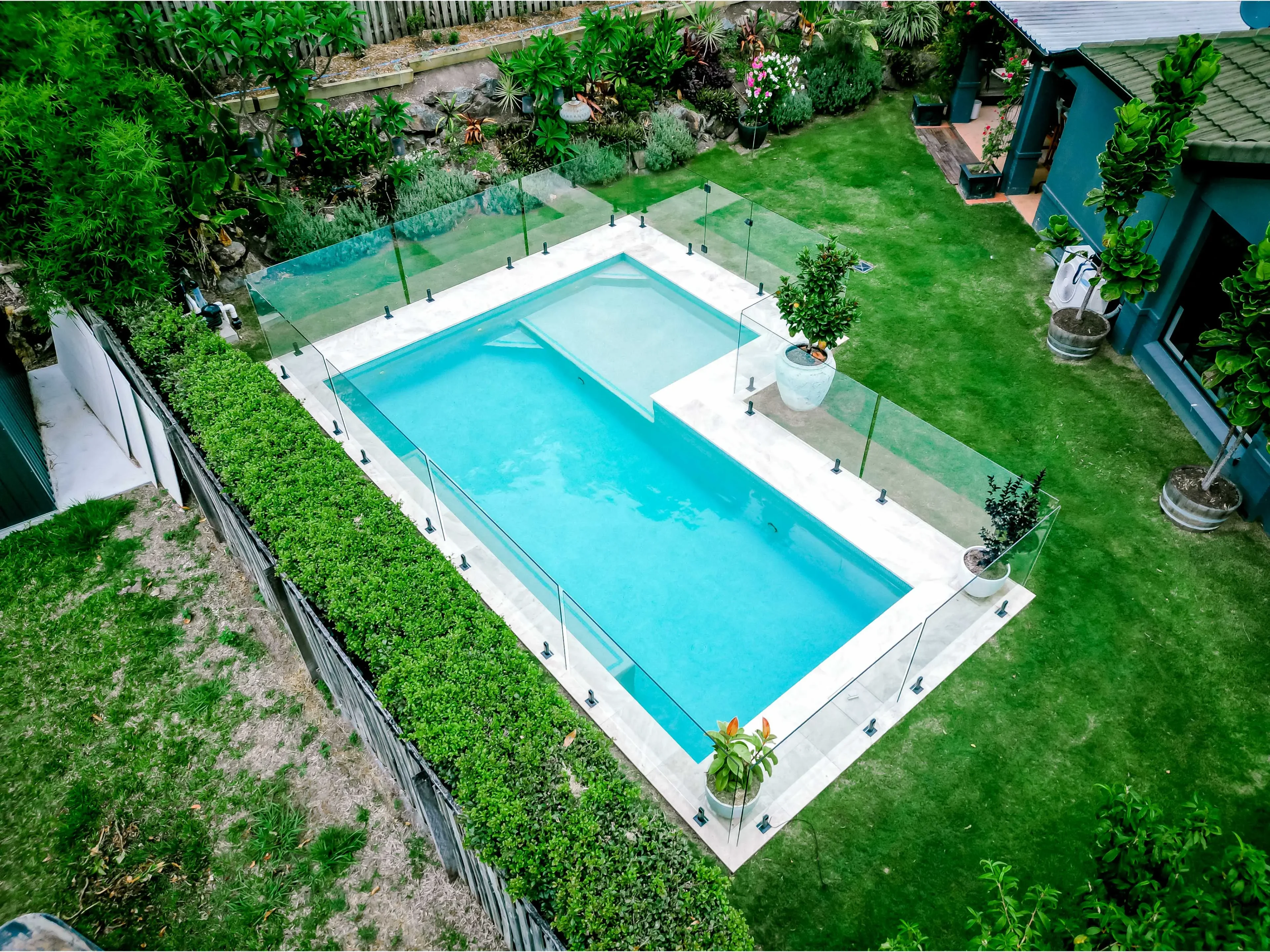
Choosing between an above-ground pool and an inground pool is one of the first major decisions homeowners face when planning a backyard upgrade. The price difference is clear, but cost is only one part of the decision. Installation time, lifespan, maintenance, and long-term property value all play a role.
This guide breaks down the key differences so you can compare both options with confidence and understand which pool type suits your home, budget, and long-term plans.
Quick Comparison: Above-Ground Pool vs Inground Pool
Feature | Above-Ground Pool | Inground Pool |
Feature | Above-Ground Pool | Inground Pool |
Upfront Cost (Australia) | Approx. $5,000–$20,000 depending on size and installation | Typically $40,000+ depending on design, site conditions and finishes |
Installation Time | 1–3 days for basic installs | Several weeks including excavation, structure and finishes |
Lifespan | 7–15 years depending on material and care | 30+ years for reinforced concrete with proper maintenance |
Structural Strength | Steel or resin frame with vinyl liner | Reinforced concrete shell engineered to site conditions |
Design Flexibility | Limited shapes and sizes | Fully customisable shapes, depths and features |
Maintenance | Similar chemical balance needs but liner replacement may be required | Standard pool maintenance without liner replacement |
Heating Compatibility | Limited, depending on structure and insulation | Easily integrates with heating systems |
Property Value Impact | Minimal to moderate impact | Strong impact when well designed and integrated |
Best Suited For | Short-term solution or tighter budgets | Long-term investment and integrated outdoor living |
Upfront Cost (Australia) | Approx. $5,000–$20,000 depending on size and installation | Typically $40,000+ depending on design, site conditions and finishes |
Installation Time | 1–3 days for basic installs | Several weeks including excavation, structure and finishes |
Lifespan | 7–15 years depending on material and care | 30+ years for reinforced concrete with proper maintenance |
Structural Strength | Steel or resin frame with vinyl liner | Reinforced concrete shell engineered to site conditions |
Design Flexibility | Limited shapes and sizes | Fully customisable shapes, depths and features |
Maintenance | Similar chemical balance needs but liner replacement may be required | Standard pool maintenance without liner replacement |
Heating Compatibility | Limited, depending on structure and insulation | Easily integrates with heating systems |
Property Value Impact | Minimal to moderate impact | Strong impact when well designed and integrated |
Best Suited For | Short-term solution or tighter budgets | Long-term investment and integrated outdoor living |
What Is an Above-Ground Pool?
An above-ground pool is a pool that sits on top of the existing ground level rather than being built into it. The structure usually includes a steel or resin frame with a vinyl liner that holds the water.
Installers prepare a level base, assemble the wall system, and fit the liner before filling the pool. Some homeowners build decking around the structure to improve access and appearance.
Most above-ground pools come in fixed shapes and standard sizes. Depth options are also limited compared to in-ground designs. Manufacturers produce them as pre-engineered systems, which reduces installation time and cost.
This type of pool often suits homeowners who want a lower upfront spend or a shorter commitment. It can also work well in properties where excavation is difficult or where the owner plans to move within a few years.
While the entry price is lower, the materials and structure differ significantly from a reinforced concrete shell. That difference affects lifespan, durability, and long-term value, which we will break down in the next sections.
What Is an In-Ground Pool?
An inground pool is built into the ground and formed as a permanent structure within your backyard. Builders excavate the site, install structural steel reinforcement, complete internal plumbing, and spray or pour concrete to create the shell.
Most premium inground pools in Australia use reinforced concrete. This method allows full control over shape, depth, and internal layout. You can incorporate features such as beach entries, integrated spas, bench seating, water features, and custom lighting.
Because the pool structure is engineered to suit the soil and site conditions, it provides long-term strength and stability. The concrete shell becomes a fixed part of the property rather than a standalone structure.
Installation takes longer than an above-ground pool due to excavation, approvals, curing time, and finishing works.
An inground pool suits homeowners who want a permanent outdoor feature that integrates with landscaping and adds long-term value to the home. It also allows full compatibility with heating systems, automation, and premium interior finishes.
Above Ground vs In Ground Pool Cost
The cost difference between an above-ground pool and an inground pool is significant. Upfront price is often the main reason homeowners compare the two options.
Upfront Installation Cost
In Australia, a basic above-ground pool typically costs between $5,000 and $20,000. The final price depends on size, access, ground preparation, and whether decking is added.
An inground concrete pool generally starts from $40,000 and can exceed $70,000+, depending on:
Sloping blocks or tight access can increase construction costs. Council approvals and certification also form part of the overall investment.
What Drives the Price Difference?
An above-ground pool arrives as a manufactured system. Installation involves levelling the base and assembling the frame.
An inground pool requires excavation, structural reinforcement, plumbing installation, and a concrete shell engineered to suit the site. The construction process is more complex, and the materials are designed for longer-term durability.
10-Year Cost Outlook
Upfront cost tells only part of the story.
Above-ground pools often require liner replacement within 7–10 years. Frame corrosion and structural wear can also lead to repair or replacement.
A reinforced concrete inground pool should last 30 years or more with proper maintenance. Interior resurfacing may be required over time, but the structural shell remains intact.
When you assess the cost of an above-ground pool vs inground over 10 years, the gap narrows once replacement and repair cycles are considered.
Ongoing Running Costs
Both pool types require chemicals, filtration, electricity for pumps, and routine cleaning.
Energy use depends more on pump efficiency and heating choice than pool type. In-ground pools integrate more easily with energy-efficient heating systems, which can improve long-term running costs.
Upfront savings matter, but long-term durability matters too. The right choice depends on how long you plan to stay in your home and how you want the pool to function within your outdoor space.
Installation Process Comparison
The installation process differs in scope, time, and site impact.
Above-Ground Pool Installation
An above-ground pool requires a level base. Installers prepare the ground, assemble the wall system, fit the liner, and install the pump and filter.
In many cases, installation takes just one to three days once the site is prepared.
This process creates minimal excavation and limited structural change to the property. Some homeowners add decking to improve access and appearance, which can extend the timeline and increase cost, but this is optional.
Because the structure sits on the surface, engineering requirements are also lower in most residential settings.
In-Ground Pool Construction
An inground pool build process begins with excavation. Builders remove soil, prepare footings, install structural steel reinforcement, and complete internal plumbing before spraying or pouring the concrete shell.
The shell then cures before tiling, interior finishes, coping, and equipment installation take place.
Construction typically spans several weeks, depending on:
- Weather
- Site access
- Soil conditions
- Council approvals
- Design complexity
While the timeline is longer, the result is a permanent structure engineered to suit the block. The pool becomes part of the landscape rather than sitting above it.
In-ground construction also allows precise shaping, depth variation, and integration with retaining walls or outdoor living areas. This flexibility is not possible with pre-manufactured above-ground systems.
For an in-depth look at construction times for in-ground pools, you can read our blog “How Long It Takes to Build a Pool.”
Lifespan and Structural Durability
Lifespan is a key difference between the two options, and one that often ends up being the deciding factor for most homeowners.
Most above-ground pools last 7 to 15 years. Liners often need replacement during that period, and structural components can deteriorate over time.
A reinforced concrete inground pool can last 30 years or more. Interior finishes may require updating, but the structural shell remains strong.
If you plan to stay in your home long term, durability becomes an important factor in the overall decision, and you may lean toward in-ground pools. If you’re not planning on making it your forever home, an above-ground option may be an option.
On the Gold Coast, this ease often translates into stronger competition, cleaner negotiations, and better sale conditions.
Property Value and Aesthetic Impact
Pool choice can influence how potential buyers view your property.
An above-ground pool often sits as a standalone structure. While it can improve lifestyle appeal, it rarely increases resale value in a significant way. Some buyers may even view it as temporary or removable, or even as an extra cost to remove.
An inground pool becomes part of the landscape. Builders can integrate it with paving, retaining walls, gardens, and outdoor entertaining areas. When designed well, it strengthens street appeal and can increase perceived property value.
In many Gold Coast suburbs, buyers expect a permanent pool in mid to high-value homes. A well-designed inground pool aligns with that expectation. For a better understanding of how a pool can impact your property value, read our blog.
If resale value matters, structure and presentation carry weight.
Which Pool Suits Your Situation?
The right choice depends on your budget, timeline, and long-term plans.
An Above-Ground Pool May Suit You If:
An above-ground pool can provide short-term enjoyment at a lower entry cost.
An Inground Pool May Suit You If:
A reinforced concrete pool becomes part of the property rather than an add-on. It supports heating systems, automation, and custom features that improve daily use.
If you view a pool as a long-term investment in your home and lifestyle, an inground structure offers greater flexibility and durability.
Final Decision Guide: Above-Ground Pool vs Inground Pool
The right choice depends on what you want your backyard to become.
If you are looking for a simple addition that delivers quick enjoyment at a budget-friendly price, an above-ground pool will meet that need.
If you want a pool that feels built into your home, complements your landscaping, and becomes a permanent part of your outdoor living space, an inground concrete pool offers that outcome.
For many Gold Coast homeowners, the decision comes down to whether the pool is a short-term upgrade or a lasting investment in lifestyle.
If you would like clear guidance based on your property and vision, contact us and speak with our experienced pool builders on the Gold Coast who understand local conditions and construction standards.